

Descrizione
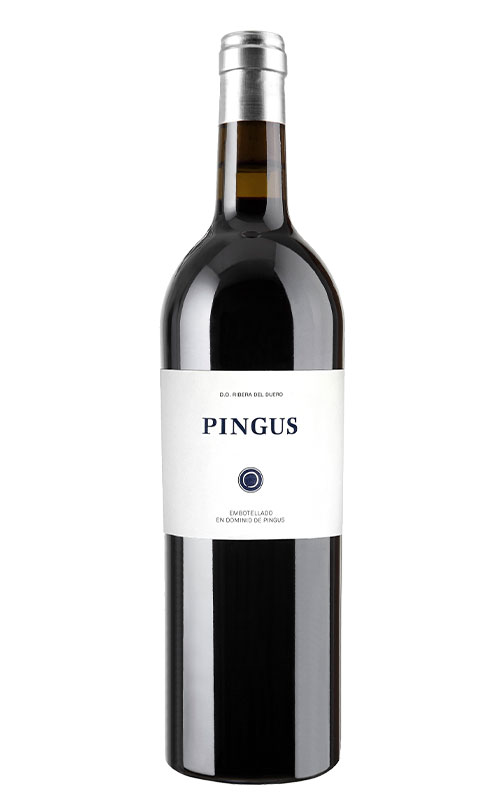
Un vero e proprio mito, non solo della Ribera del Duero, ma anche del vino spagnolo. Pingus, che prende il nome dal soprannome d’infanzia del suo creatore, il danese Peter Sisseck, con questa annata 2021 arriva a sei annate premiate con 100 punti Parker, il massimo punteggio che, oltre a The Wine Advocate, gli hanno assegnato anche la Guida Peñín e James Suckling. La perfezione liquida in una sublime lezione di eleganza e potenza destinata a durare a lungo nel tempo.
Dettagli del prodotto

Degustazione
Vigna e preparazione
Recensioni degli esperti
Sisseck believes the texture of the 2021 Pingus is the finest he has achieved since the beginning and something that the Tempranillo does very well. There is a chalky feeling, which is not surprising, because the mother rock is pure limestone—even if some plots (Barroso) have more clay on top, deeper down is hard limestone and some sandstone. There is a sense of harmony and purity that I see in most of the 2021s. There's more depth, more concentration and more tannin here, and it's a wine for the very long haul; it's very, very young, but it's super harmonious and balanced. There's energy, clout and power but with great finesse. They have learned to control the extraction, and all of the grapes fermented with indigenous yeasts (each plot ferments on its own, there's no pied de cuve or anything); they are very careful to decide the moment they press, tasting a lot with a lot of precision, getting samples and sitting down to taste every day after the wine has fermented dry. He fermented the wine with some 30% of the clusters, which are selected at the sorting table when they see a perfect bunch. When they have full clusters, they have to do a delicate pigeage (not the case in 2022, but he used some in 2023). This is a super elegant and powerful Pingus that should age for a very, very long time in bottle. It very much follows the style of the years I like the most: 1996, 2016 and 2018. 7,974 bottles were filled in June 2023.
Violets, flint, graphite, dark chocolate, ink pot, and hints of herbs such as tarragon. Black truffles. Tar and hints of sandalwood. Black tea. Medium-bodied with very linear tannins that are tight and polished with fine silky texture. It’s endless and seamless. Profound and deep. Super structure and balance. This needs six or eight years of bottle age at least.
The latest in a series of brilliant releases from Peter Sisseck, this world-famous wine uses grapes from two old-vine plots in La Horra - Barroso (three hectares) and San Cristóbal (one hectare) - located between 800 and 837 metres. Engagingly elegant and refined, this has plenty of underlying concentration, ethereal aromas of violet and aromatic spices, palate-coating texture, plum and black cherry fruit and a chalky freshness on the finish. 2026-40.

Una delle cantine più famose della Ribera del Duero, dove si fa uno dei vini più ricercati del nostro paese in un progetto guidato dall'enologo Peter Sisseck.






Annate: 2025 2023 2022 2021
Questa annata non è ancora stata recensita. Utilizza la navigazione qui sotto per vedere le recensioni delle annate precedenti.
Questa annata non è ancora stata recensita. Utilizza la navigazione qui sotto per vedere le recensioni delle annate precedenti.
Questa annata non è ancora stata recensita. Utilizza la navigazione qui sotto per vedere le recensioni delle annate precedenti.
Questa annata non è ancora stata recensita. Utilizza la navigazione qui sotto per vedere le recensioni delle annate precedenti.