
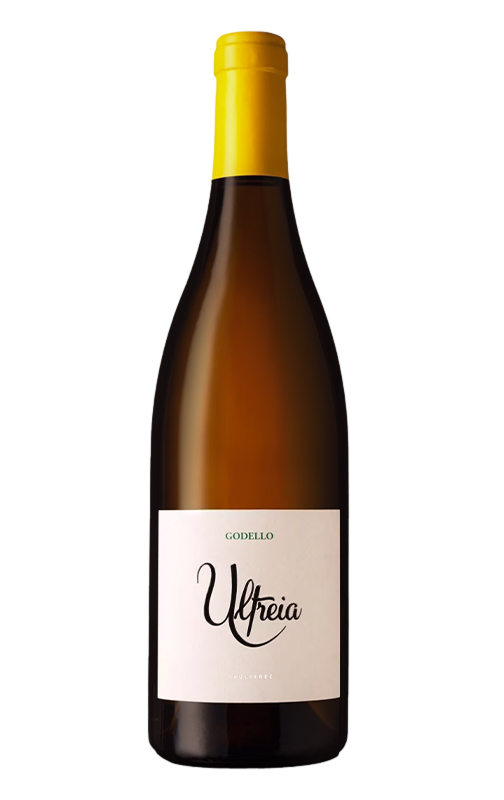
Ultreia Godello 2023
Descrizione
Espressivo, profumato e molto fresco, l’Ultreia Godello seduce il palato. Fin dal primo sorso, mette in mostra le virtù di questo amato vitigno e del privilegiato terroir del Bercia. Una delizia perfetta da gustare da solo o in abbinamento a frutti di mare e pesce fresco.
Dettagli del prodotto
Degustazione
Vigna e preparazione
Recensioni degli esperti
The 2023 Ultreia Godello, mostly from the zone of Cacabelos, and the vineyards have been transformed to organic. This is an unusual wine for this bottling because the fermentation was very slow (nine months) and without temperature control, and the wine went through malolactic—it's the first white he bottled with full malolactic. Most (70%) of the wine was in large stainless steel and the rest in used barriques. This seems to be happening again in 2024. It has a golden color and a ripe nose of yellow fruit and a round, tender mouthfeel with a bitter twist in the finish and a dry, chalky feeling. This is the most Burgundian of the whites here. They produced close to 50,000 bottles. (Luis Gutiérrez)
Pure godello from young vines, showing aromas of citrus and almonds. Medium- to full-bodied, it’s balanced and flavorful, with stone fruit. Ample, delicious and persistent. Grapes undergo a very long fermentation. Sourced from 11 hectares, 80% from Cacabelos, the rest from Villa de Canes. Drink or hold. (Jacobo García Andrade)
Questo tizio è il Re Mida del vino: tutto quello che tocca si trasforma in oro liquido... sul serio, poche cose regalano lo stesso piacere a un prezzo così basso... Il Godello va di moda ed ecco una delle migliori interpretazioni possibili nella sua fascia di prezzo.

Raúl Pérez è uno degli enologi spagnoli più famosi sia in Spagna che all'estero. I suoi vini, che prendono sempre ottimi punteggi, sono super apprezzati dai suoi fan.






Annate: 2024 2023 2022 2021
Vino elegante con paso sedoso y para beberlo en cualquier momento.
Excelente godello
Bueno pero nada memorable. No repetía.